
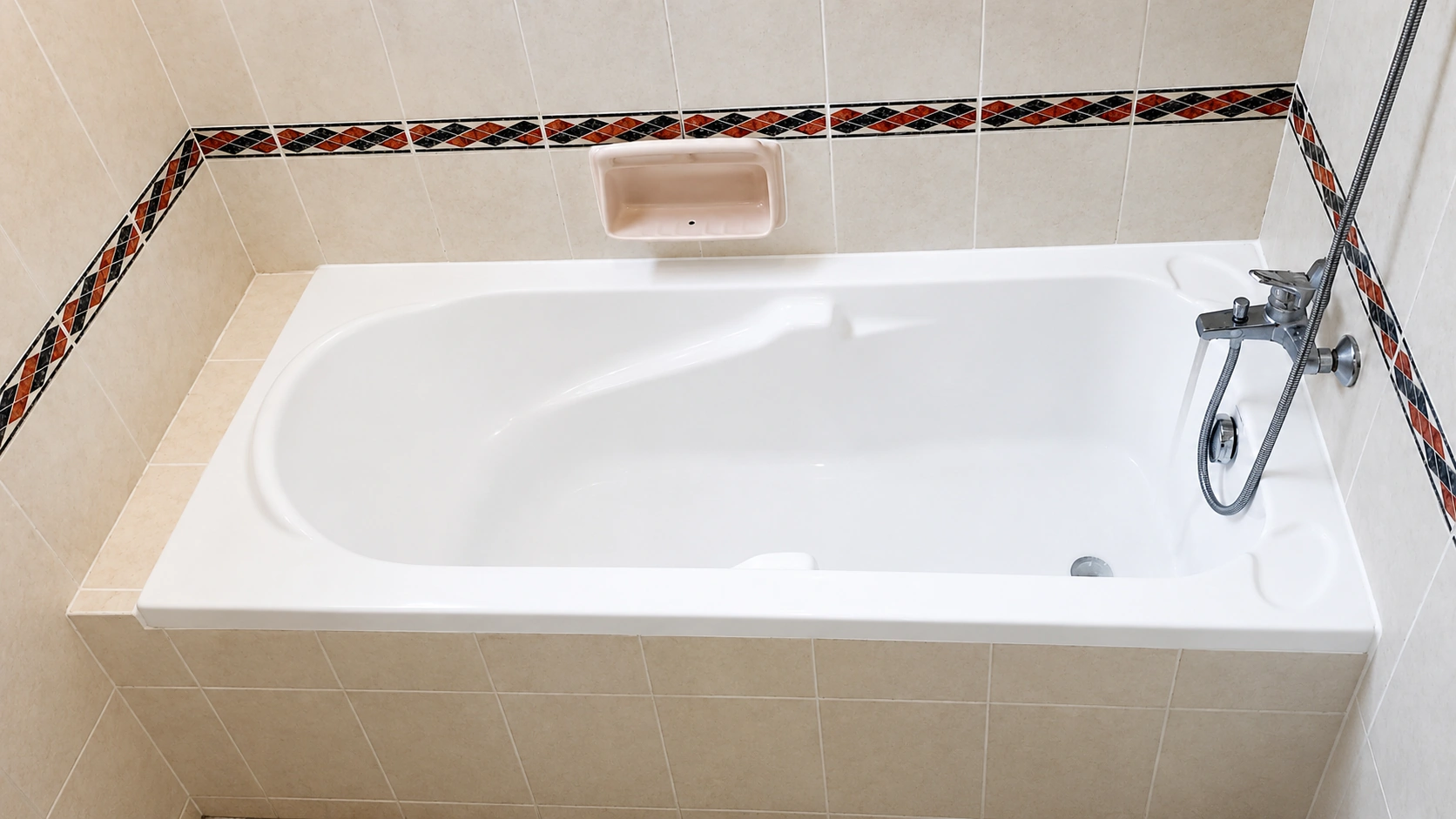
When a bathtub becomes damaged, homeowners usually have two options: replace it with a new bathtub or remove it and convert the area into a shower.
The best choice depends on household habits, budget, bathroom layout and accessibility requirements.
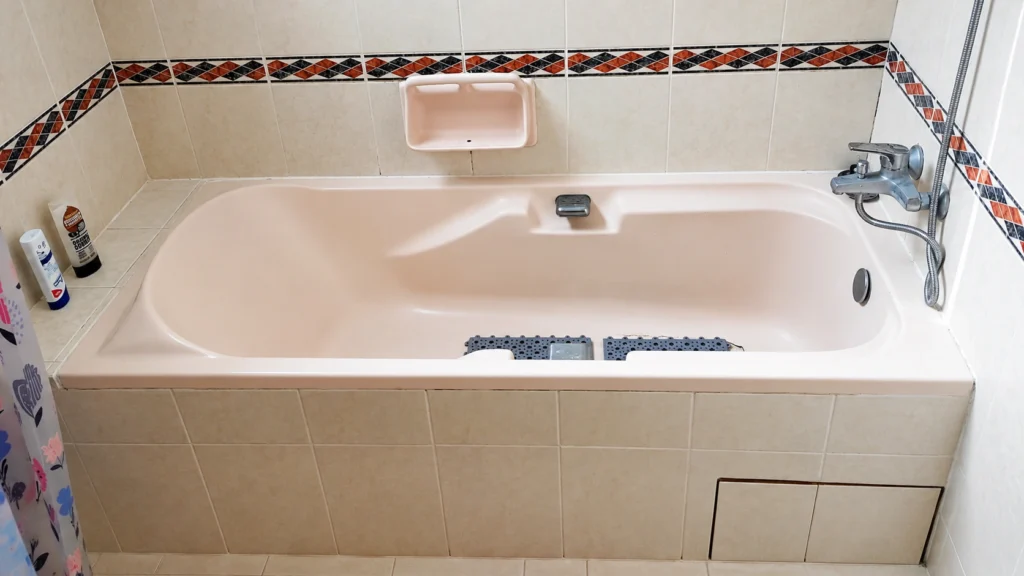
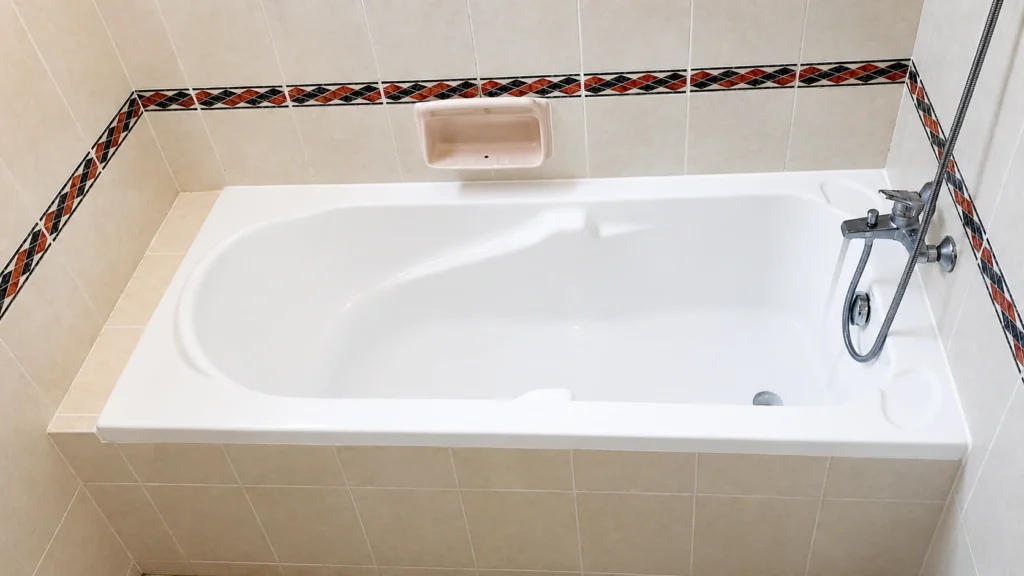
Replace the Bathtub If
- You regularly use it for bathing.
- Family members still use the bathtub.
- You want a faster and less disruptive option.
- You want to retain the existing bathroom layout.
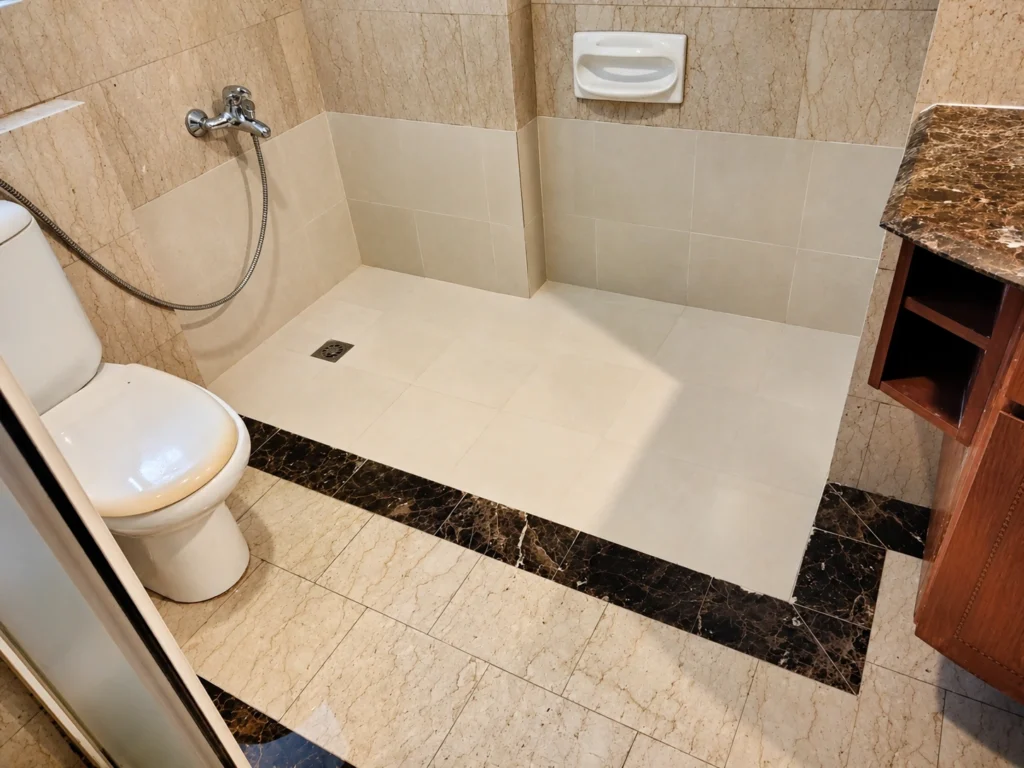
Convert It to a Shower If
- The bathtub is rarely used.
- You want more usable bathroom space.
- Easier cleaning is a priority.
- A more accessible elderly-friendly shower area is needed.
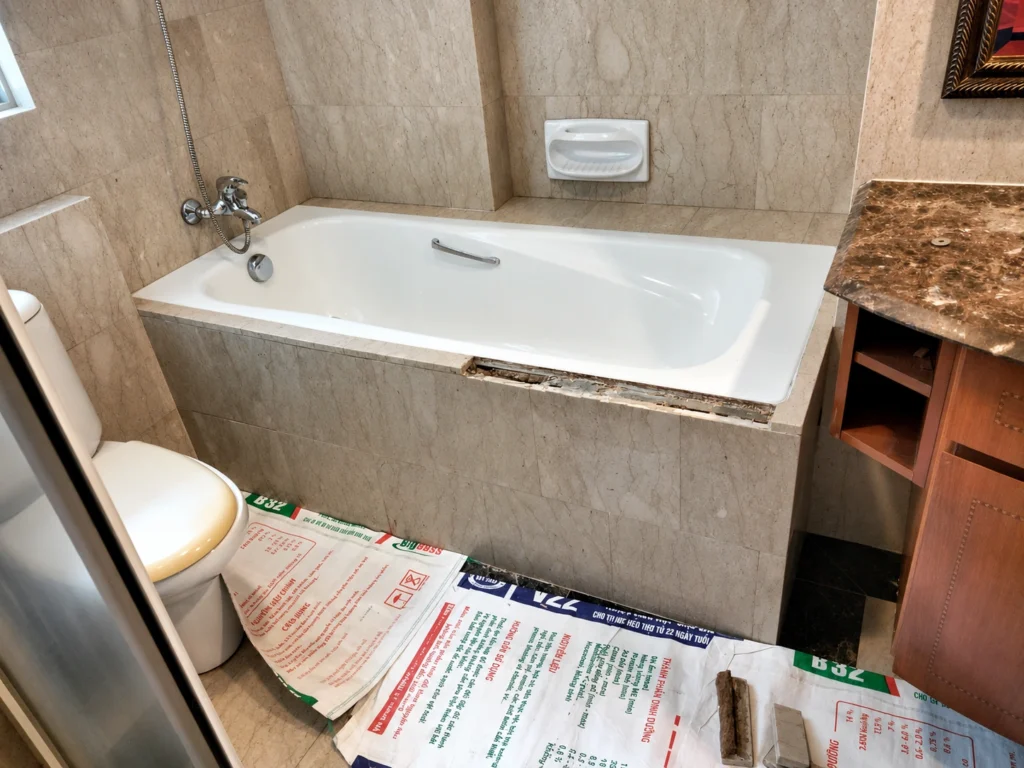
When Should a Bathtub Be Replaced?
Common signs include:
- Cracks
- Deep scratches or stains
- Leakage
- Structural damage
- Rusty fittings
- Severe surface deterioration
Typical Bathtub Replacement Process
- Remove the existing bathtub.
- Inspect plumbing and waterproofing.
- Install the replacement bathtub.
- Connect fittings.
- Test for leaks.
Typical Shower Conversion Process
- Remove the old bathtub.
- Hack affected floor and wall finishes.
- Apply waterproofing.
- Retile the affected area.
- Install shower fittings.
Bathtub Replacement vs Shower Conversion
Bathtub Replacement
Advantages
- Faster
- Lower renovation cost
- Less hacking
- Retains bathing function
Shower Conversion
Advantages
- Easier maintenance
- More open floor space
- Better accessibility
- Modern layout